Engine ProblemsAugust 4, 20267 min read
Hyundai Smartstream 2.5L Engine Problems: What Owners Need to Know
Hyundai's Smartstream 2.5L engine promised a clean break from the troubled Theta II era — but owners are reporting a new set of problems. Here's a full breakdown of the known issues, which vehicles are affected, and what your warranty rights look like.
CG
Carl's Garage Team
Expert Automotive Guides
# Hyundai Smartstream 2.5L Engine Problems: What Owners Need to Know
Hyundai's Smartstream 2.5L four-cylinder engine was supposed to be the company's fresh start. After years of catastrophic Theta II engine failures, lawsuits, and a landmark class action settlement, Hyundai promised the Smartstream generation would be different — more reliable, better engineered, and built to last.
The reality has been more complicated. While the Smartstream 2.5L is genuinely a better engine than the Theta II in most respects, a growing number of owners are reporting problems that range from frustrating to potentially dangerous. If you own a 2020 or newer Hyundai or Kia with this engine, here's what you need to know.
## What Is the Smartstream 2.5L Engine?
The Smartstream 2.5L (also designated the G4KL or G4KM depending on variant) is a naturally aspirated four-cylinder engine introduced in 2020. It replaced the Theta II 2.4L in several key models and is currently found in:
- **Hyundai Sonata** (2020–present, 2.5L base)
- **Hyundai Santa Fe** (2021–present, 2.5L base)
- **Kia Sorento** (2021–present, 2.5L base)
- **Kia K5** (2021–present, 2.5L base)
- **Hyundai Tucson** (select trims)
- **Kia Sportage** (select trims)
The engine uses a dual overhead cam design with continuously variable valve timing (CVVT) on both intake and exhaust, direct injection, and an integrated exhaust manifold. On paper, it's a well-specified unit. In practice, several issues have emerged.
## Issue 1: Excessive Oil Consumption
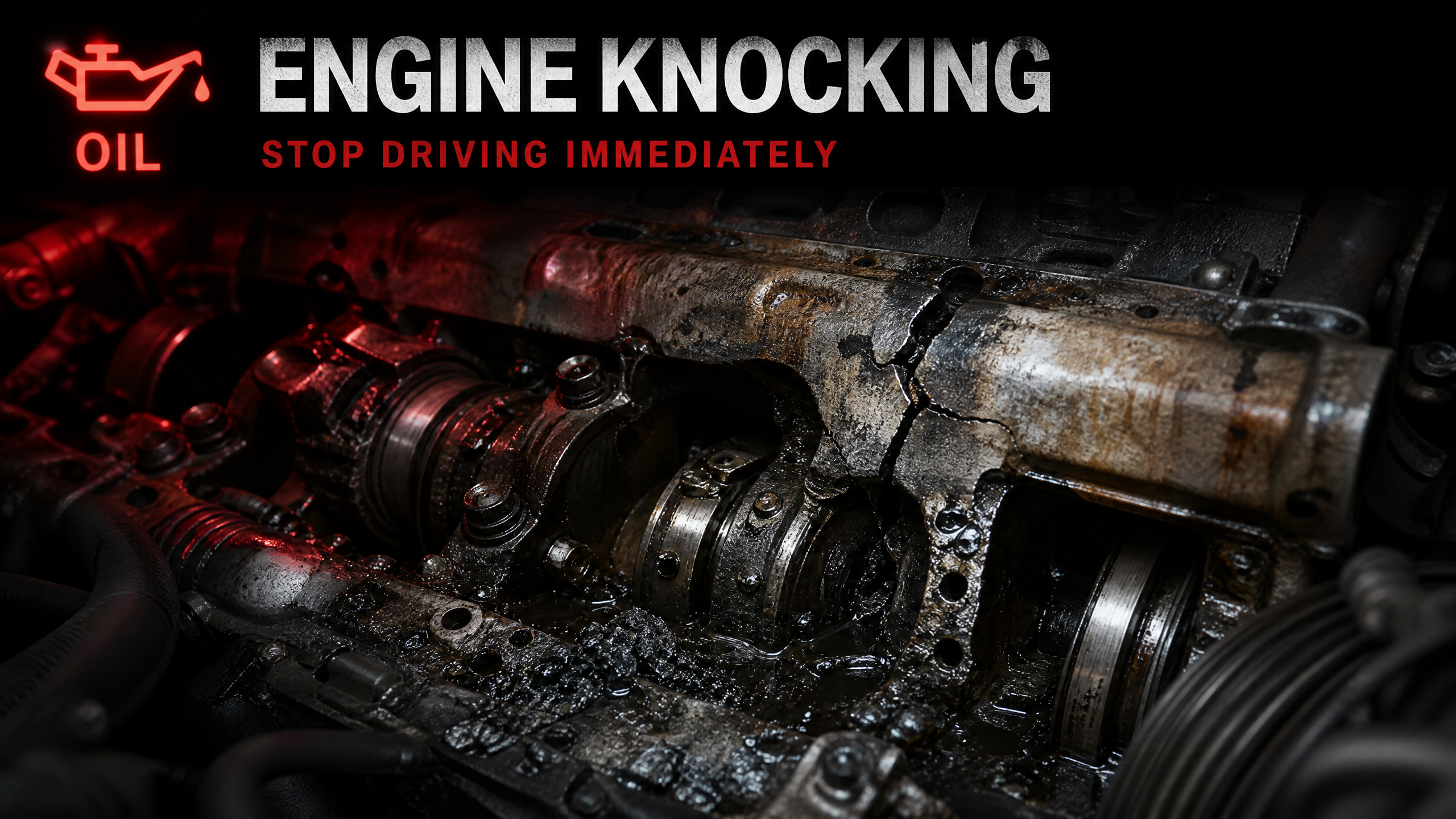
The most widely reported problem with the Smartstream 2.5L is excessive oil consumption — in some cases, more than one quart per 1,000 miles. This is the same complaint that plagued the Theta II engine and is considered a serious red flag by most automotive engineers.
Owners report:
- Oil level dropping significantly between changes
- No visible leaks, but oil disappearing internally
- Blue-tinted exhaust smoke under acceleration
- Burning oil smell after highway driving
Hyundai's official position is that consuming up to one quart per 1,000 miles is "within specification" — a claim that has frustrated owners and consumer advocates alike. Most major automakers consider anything above one quart per 3,000 miles to be excessive.
If you're experiencing this issue, document every oil check with photos and dates. This documentation is critical if you need to pursue a warranty claim or future legal action.
## Issue 2: Carbon Buildup on Intake Valves
Direct injection engines — including the Smartstream 2.5L — have a known vulnerability to carbon buildup on the intake valves. Unlike port injection, where fuel washes the valves clean with every cycle, direct injection bypasses the valves entirely. Over time, oil vapor from the PCV system deposits carbon on the intake valve stems and heads.
Symptoms include:
- Rough idle, especially when cold
- Hesitation or stumbling under light acceleration
- Reduced fuel economy
- Occasional misfires
Carbon buildup typically becomes noticeable between 40,000 and 80,000 miles. The fix — an intake valve cleaning using walnut blasting — costs $300 to $600 at most shops and is not covered under warranty because Hyundai classifies it as maintenance.
Some 2022+ Smartstream variants added port injection alongside direct injection (a "dual injection" setup) specifically to mitigate this problem. If you have an older single-injection variant, budget for this service.
## Issue 3: Fuel Injector Leaking
Several Smartstream 2.5L owners have reported fuel injector leaks — specifically, injectors that weep fuel into the cylinder or externally. This is a safety concern in addition to a performance issue.
A leaking injector can cause:
- Rich running conditions (too much fuel)
- Fouled spark plugs
- Oil dilution (fuel mixing into the engine oil)
- In severe cases, fire risk
Oil dilution from injector leaks is particularly dangerous because it reduces the oil's lubricating properties, accelerating wear on bearings, camshafts, and cylinder walls. If your oil smells like gasoline or your oil level is rising rather than falling, have the injectors inspected immediately.
This issue has been reported enough that some Hyundai dealers are aware of it, but there is no official technical service bulletin (TSB) or recall as of this writing. Warranty coverage depends on your mileage and whether the dealer acknowledges the fault.
## Issue 4: Loose Connecting Rod Bolts
This is the most serious issue on the list. A small number of Smartstream 2.5L engines have been found to have connecting rod bolts that were not torqued to specification at the factory. A loose connecting rod bolt can cause the rod to separate from the crankshaft — a catastrophic failure that typically destroys the engine and can cause loss of vehicle control.
Hyundai issued a Technical Service Bulletin (TSB) covering this issue, instructing dealers to inspect and re-torque connecting rod bolts on affected vehicles. The TSB is not a recall, which means Hyundai is not proactively notifying owners — dealers are only supposed to check when a vehicle comes in for service.
If you own a Smartstream 2.5L vehicle and have not had this inspection performed, ask your dealer specifically about connecting rod bolt inspection. Do not let them dismiss this as a non-issue. The consequences of a connecting rod failure at highway speed are severe.
## Issue 5: Starter Motor Fire Risk
Hyundai issued a recall (NHTSA Campaign Number 23V-579) covering certain Smartstream-equipped vehicles for a starter motor defect. The starter motor can overheat and catch fire, even when the vehicle is parked and the engine is off.
Affected vehicles include specific model year ranges of the Sonata and Santa Fe. Owners of affected vehicles should:
1. Check their VIN at [NHTSA.gov](https://www.nhtsa.gov/recalls) to confirm recall applicability
2. Contact their Hyundai dealer to schedule the free repair
3. If the recall has not been performed, avoid parking the vehicle in an enclosed garage
This is a genuine safety recall — not a TSB — and the repair is mandatory and free of charge.
## Issue 6: ITMM Failure (Integrated Thermal Management Module)
The Smartstream 2.5L uses an Integrated Thermal Management Module (ITMM) — a complex valve assembly that controls coolant flow to the engine, transmission, and cabin heater. When the ITMM fails, it can cause:
- Engine overheating
- Heater blowing cold air
- Transmission overheating
- Check engine light with coolant-related codes
ITMM failures have been reported in Sonata and Santa Fe models, typically between 30,000 and 70,000 miles. Replacement parts are expensive ($400–$800 for the module alone) and labor-intensive. Dealers have been inconsistent about warranty coverage, with some covering the repair and others requiring out-of-pocket payment.
If you experience sudden overheating or heater failure, pull over immediately. Driving with a failed ITMM can cause serious engine damage within minutes.
## Is the Smartstream 2.5L Better Than the Theta II?
Fairly, yes — but that's a low bar. The Theta II engine had a fundamental design flaw (inadequate oil supply to the connecting rod bearings) that caused catastrophic failures at an alarming rate. The Smartstream 2.5L does not appear to have that same systemic failure mode.
However, the issues documented above — particularly the connecting rod bolt concern and the starter fire recall — show that Hyundai's quality control and engineering oversight still have room for improvement. The Smartstream is not the clean break the company promised.
## What Are Your Warranty Rights?
If you're experiencing any of these issues on a Smartstream 2.5L vehicle, your warranty rights depend on several factors:
| Issue | Warranty Coverage | Notes |
|---|---|---|
| Oil consumption | Powertrain warranty (5yr/60k) | Document every oil check |
| Carbon buildup | Not covered | Classified as maintenance |
| Injector leak | Powertrain warranty | Escalate if dealer refuses |
| Connecting rod bolts | TSB — covered if found | Ask dealer specifically |
| Starter fire recall | Full recall — free repair | Check VIN at NHTSA.gov |
| ITMM failure | Powertrain warranty | Coverage varies by dealer |
**Key strategy:** If your dealer denies a warranty claim, escalate to Hyundai Consumer Affairs at 1-800-633-5151. If that fails, file a complaint with NHTSA and your state's attorney general. A documented pattern of denial is the foundation of any future legal action.
## The Bottom Line
The Smartstream 2.5L is a capable engine that is genuinely better than what it replaced. But "better than the Theta II" is not the same as "problem-free." If you own one of these vehicles, stay proactive:
1. Check your oil level every 1,000 miles and document it
2. Ask your dealer about the connecting rod bolt TSB inspection
3. Check your VIN for the starter motor recall
4. Budget for intake valve cleaning at 50,000–60,000 miles
5. Know your powertrain warranty terms and don't accept dealer denials without escalating
If you've already been denied a warranty claim on a Smartstream 2.5L issue, Carl's Garage can help you build a professional, documented response that gives you the best chance of getting the repair covered.
---
*Information in this article is based on owner reports, NHTSA filings, and published technical service bulletins as of mid-2026. Always verify current recall status at NHTSA.gov using your specific VIN.*
Tags
Hyundai Smartstream2.5L EngineEngine ProblemsWarranty RightsOil ConsumptionRecall