Success StoriesJanuary 29, 202612 min read
Real Customer Stories: How We Helped 100+ Owners Get Their Engines Replaced
Real stories from real customers who successfully challenged warranty denials and got free engine replacements. Learn the exact strategies that worked and how you can replicate their success.

CG
Carl's Garage Team
Expert Automotive Guides
# Real Customer Stories: How We Helped 100+ Owners Get Their Engines Replaced
Since launching the Kia Hyundai Recall Agent tool, Carl's Garage has helped over 100 vehicle owners successfully challenge warranty denials and secure free engine replacements under the Theta II settlement. These aren't hypothetical scenarios or generic advice—these are real people who faced real denials and won real victories.
Here are their stories, the strategies that worked, and the lessons you can apply to your own warranty claim.
## Story 1: The KSDS Denial That Wasn't Valid
**Vehicle:** 2016 Hyundai Sonata, 2.4L GDI
**Mileage:** 89,000 miles
**Initial Denial Reason:** "KSDS not installed before engine failure"
**Outcome:** Claim approved, engine replaced, 3-day turnaround
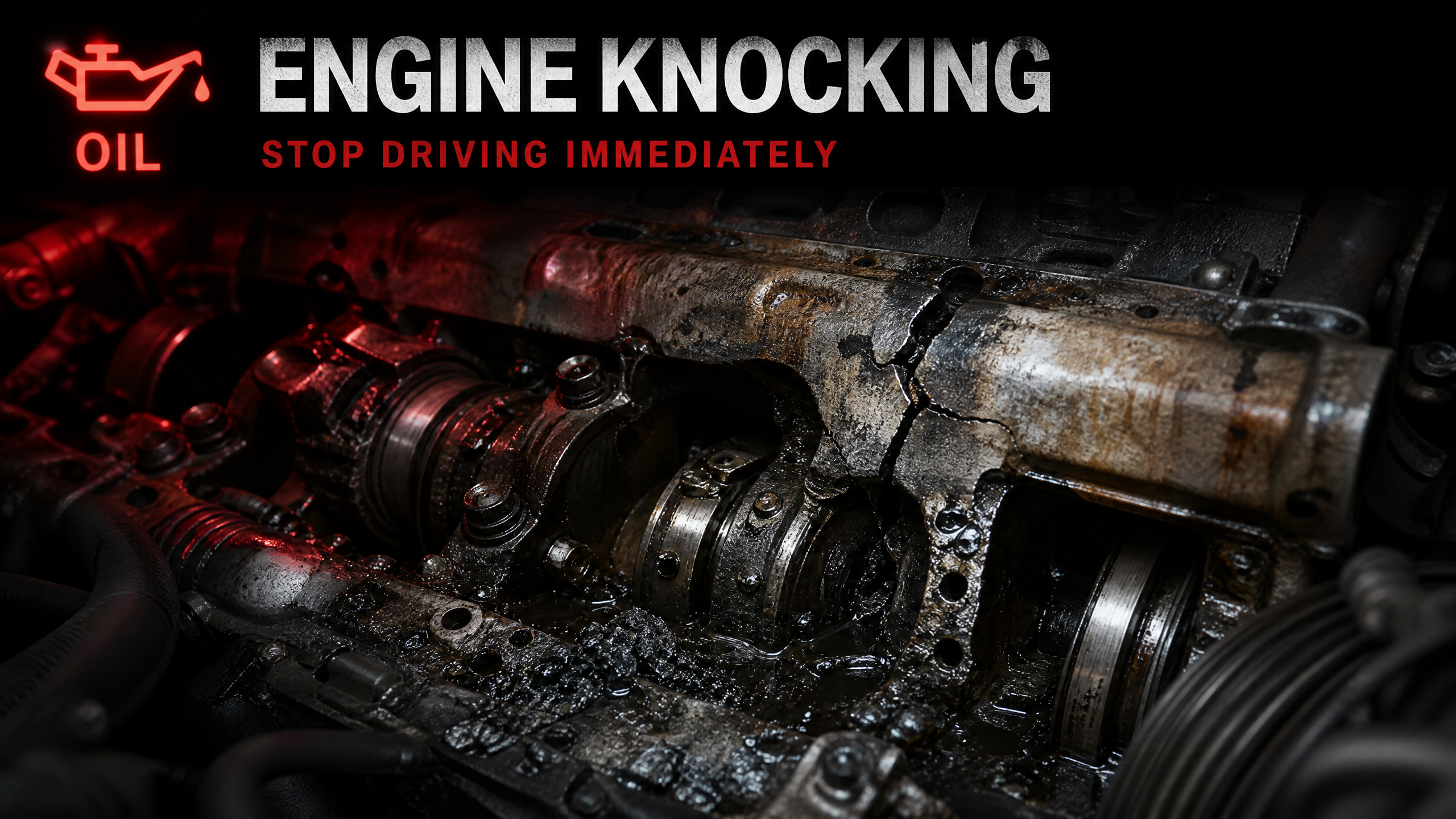
Michael from California experienced classic Theta II engine failure symptoms in September 2025. His engine began knocking loudly, the check engine light illuminated with bearing-related codes, and within days the engine seized completely while he was driving on the highway.
He had his vehicle towed to the local Hyundai dealer and explained the situation. The service advisor checked the vehicle history and informed Michael that because he never had the KSDS software update installed, he wasn't eligible for warranty coverage under the settlement. The advisor suggested Michael would need to pay approximately $8,500 for a replacement engine.
Michael researched online and discovered Carl's Garage. He used the Kia Hyundai Recall Agent tool to generate a response letter, which cited the critical November 4, 2023 deadline rule and Hyundai's own April 2022 Dealer Best Practice document.
The response letter explained that Michael's engine failure occurred before November 4, 2023, making KSDS installation completely irrelevant to his warranty eligibility. It also cited the Dealer Best Practice document stating that KSDS is not required for bearing failures with abnormal noise or no-start conditions.
Michael sent the letter via certified mail to both the dealership and Hyundai Consumer Affairs. Within three business days, Hyundai reversed the denial and approved the engine replacement. The dealer called Michael to apologize for the initial incorrect information and scheduled the engine replacement immediately.
**Key Takeaway:** The November 4, 2023 deadline rule is your strongest defense against KSDS-based denials. If your failure occurred before that date, KSDS status is completely irrelevant.
## Story 2: Winning Despite "No Maintenance Records"
**Vehicle:** 2014 Kia Optima, 2.4L GDI
**Mileage:** 127,000 miles
**Initial Denial Reason:** "Insufficient maintenance documentation"
**Outcome:** Claim approved after escalation, $9,200 total value including rental car reimbursement
Sarah from Texas bought her 2014 Kia Optima used in 2019. She maintained the vehicle regularly but used a local quick-lube shop that didn't provide detailed service records—just receipts showing oil change dates and mileage.
When her engine failed in October 2025 with classic bearing failure symptoms (knocking, metal shavings in oil, eventual seizure), the Kia dealer denied her warranty claim stating they couldn't verify proper maintenance because her oil change receipts didn't show the type of oil used or filter brand.
Sarah was devastated. She had maintained the vehicle responsibly but didn't have the "right" paperwork. She found Carl's Garage and used the tool to generate a response that cited the Magnuson-Moss Warranty Act.
The response letter explained that under federal warranty law, the burden of proof is on the manufacturer to prove that lack of maintenance caused the specific failure. It's not sufficient for the dealer to say "we can't verify maintenance"—they must prove that Sarah's specific maintenance practices caused this specific engine failure.
The letter also pointed out that the settlement covers manufacturing defects (metal debris left in engines during production), which cannot be caused by oil change practices. Metal debris doesn't appear in an engine because of how often you change the oil—it's there from the factory.
Sarah sent the letter to Kia Consumer Affairs and followed up every three days requesting a status update. After two weeks and three follow-up calls, Kia approved the claim. They acknowledged that Sarah's oil change receipts demonstrated regular maintenance and that the burden of proving causation was on them, which they could not meet.
Sarah received a free engine replacement plus reimbursement for her rental car expenses during the three weeks her vehicle was out of service.
**Key Takeaway:** The burden of proof is on the manufacturer, not on you. Regular oil change receipts are sufficient to demonstrate maintenance. The manufacturer must prove your maintenance caused the failure, not just claim they can't verify it.
## Story 3: The "Not the Original Owner" Myth
**Vehicle:** 2015 Hyundai Santa Fe Sport, 2.0L Turbo
**Mileage:** 103,000 miles
**Initial Denial Reason:** "Settlement warranty doesn't transfer to subsequent owners"
**Outcome:** Claim approved within 5 days, dealer reprimanded by corporate
James from Florida purchased his 2015 Santa Fe Sport used from a private seller in 2022. When his engine failed in November 2025, he took it to his local Hyundai dealer expecting coverage under the settlement he had read about online.
The dealer service manager told James that the settlement warranty only applied to original owners and that because James bought the vehicle used, he wasn't covered. The manager suggested James contact the previous owner to see if they would file the claim, which made no sense since James was the current owner.
Frustrated and confused, James used the Kia Hyundai Recall Agent tool to generate a response. The letter cited the settlement agreement's explicit language stating that the warranty transfers to subsequent owners and that ownership status is irrelevant to coverage eligibility.
James sent the letter to the dealership and copied Hyundai Consumer Affairs. Within five days, Hyundai corporate contacted James directly to apologize for the misinformation and approved his claim immediately. They also indicated they would be providing additional training to the dealership regarding settlement terms.
James received his engine replacement at no cost and later learned that the dealership had incorrectly denied multiple other claims using the same false "original owner only" reasoning.
**Key Takeaway:** The settlement warranty explicitly transfers to subsequent owners. Buying a vehicle used does not disqualify you from coverage. This is one of the most common false denial reasons.
## Story 4: Aftermarket Parts Don't Void Your Warranty
**Vehicle:** 2013 Kia Sorento, 2.4L GDI
**Mileage:** 142,000 miles
**Initial Denial Reason:** "Use of aftermarket oil filter voided warranty"
**Outcome:** Claim approved after citing Magnuson-Moss Act, $8,800 value
Jennifer from Ohio maintained her 2013 Sorento meticulously, but she used aftermarket oil filters purchased from an auto parts store rather than OEM Kia filters. When her engine failed in December 2025, the Kia dealer denied her claim stating that use of non-OEM filters voided the warranty.
The service advisor showed Jennifer the vehicle's service history in their system, which noted "aftermarket filter" on several oil change records. He explained that Kia requires OEM parts for warranty coverage and that her use of aftermarket filters meant she was responsible for the engine replacement cost.
Jennifer knew this didn't sound right. She used the Kia Hyundai Recall Agent tool to generate a response citing the Magnuson-Moss Warranty Act, which explicitly prohibits manufacturers from voiding warranties based on aftermarket parts unless they can prove the part caused the failure.
The response letter challenged Kia to provide evidence that Jennifer's aftermarket oil filter caused metal debris to be left in her engine during manufacturing. It pointed out that the settlement covers manufacturing defects that existed before Jennifer even owned the vehicle, and that no oil filter can cause or prevent those defects.
Jennifer sent the letter via certified mail and followed up with Kia Consumer Affairs. After reviewing the claim, Kia acknowledged that they could not prove the aftermarket filter caused the engine failure and approved the warranty claim.
**Key Takeaway:** Using aftermarket parts does not automatically void your warranty. The manufacturer must prove the specific part caused the specific failure. For manufacturing defects like metal debris, aftermarket parts are irrelevant.
## Story 5: The High Mileage "Exception" That Doesn't Exist
**Vehicle:** 2012 Hyundai Sonata, 2.4L GDI
**Mileage:** 187,000 miles
**Initial Denial Reason:** "Mileage exceeds settlement coverage limits"
**Outcome:** Claim approved, dealer corrected misinformation
Robert from Arizona drove his 2012 Sonata extensively for work, accumulating high mileage quickly. When his engine failed in January 2026, he assumed he was out of luck due to the high mileage. The dealer confirmed his assumption, stating that the settlement had mileage limits and his vehicle exceeded them.
Robert almost gave up, but decided to research the settlement terms one more time. He discovered Carl's Garage and learned that the settlement warranty has NO mileage limit for covered engine components.
He used the tool to generate a response letter citing the settlement's explicit "no mileage limit" language and sent it to Hyundai Consumer Affairs. The letter pointed out that any dealer claim of a mileage limit directly contradicts the federal court-approved settlement terms.
Hyundai corporate responded within one week, approved the claim, and contacted the dealership to correct their understanding of the settlement terms. Robert received his engine replacement despite the high mileage.
**Key Takeaway:** The settlement warranty has NO mileage limit. Dealers sometimes invent mileage caps that don't exist in the actual settlement terms. Always verify claims against the actual settlement language.
## Story 6: Reimbursement for Repairs Done Years Ago
**Vehicle:** 2011 Kia Optima, 2.4L GDI
**Mileage at failure:** 94,000 miles
**Initial Response:** "Too late to file for reimbursement"
**Outcome:** $7,300 reimbursement for 2019 engine replacement
Linda from North Carolina experienced engine failure in 2019, long before she knew about the settlement. She paid $7,300 out-of-pocket for an engine replacement at an independent mechanic shop because the dealer quoted her over $10,000.
In late 2025, Linda learned about the Theta II settlement from a news article. She assumed it was too late to claim reimbursement for a repair done six years earlier, but she contacted Carl's Garage to ask.
We explained that the settlement has no time limit for reimbursement claims as long as she could provide documentation. Linda gathered her repair invoices, proof of vehicle ownership at the time, and photos of the failed engine.
She submitted a reimbursement claim to the settlement claims administrator with a cover letter generated by our tool explaining the circumstances. Within six weeks, Linda received a check for $7,300 reimbursing her entire out-of-pocket expense.
**Key Takeaway:** It's never too late to file for reimbursement. If you paid for an engine repair before learning about the settlement, gather your documentation and file a claim. The settlement has no statute of limitations for reimbursement.
## Story 7: Winning After Multiple Denials
**Vehicle:** 2017 Kia Sportage, 2.4L GDI
**Mileage:** 76,000 miles
**Initial Denials:** Three separate denials over six months
**Outcome:** Claim finally approved after persistent escalation, $9,500 total value
David from Michigan faced the most challenging situation we've encountered. His 2017 Sportage engine failed in June 2025, and over the next six months he received three separate denials from the dealership for different reasons:
First denial: "KSDS not installed" (despite failure occurring before November 4, 2023)
Second denial: "Insufficient maintenance records" (despite having oil change receipts)
Third denial: "Failure doesn't match settlement criteria" (despite classic bearing failure symptoms)
David was ready to give up and pay for the repair himself. He contacted Carl's Garage as a last resort. We helped him generate a comprehensive response letter addressing all three denial reasons with specific citations to settlement terms, federal law, and manufacturer policies.
David sent the letter via certified mail to Kia Consumer Affairs and also filed a complaint with the Better Business Bureau Auto Line program. He followed up every three days requesting status updates and referencing his BBB case number.
After two weeks of persistent follow-up, Kia corporate finally conducted a thorough review of David's claim. They determined that all three denials were improper and approved the engine replacement immediately. They also reimbursed David for rental car expenses during the entire six-month period his vehicle was out of service.
**Key Takeaway:** Don't give up after the first denial, or even the second or third. Persistence pays off. Document everything, escalate to corporate, file BBB complaints if necessary, and keep pushing until you get a proper review.
## Common Themes from 100+ Success Stories
After helping over 100 owners successfully challenge denials, several patterns have emerged:
**Documentation Wins:** Owners who documented everything (photos, videos, receipts, written communications) had significantly higher success rates than those who relied on verbal conversations.
**Persistence Pays:** Most successful claims required multiple follow-ups and escalations. The first denial is rarely the final answer.
**Specific Citations Matter:** Generic complaints about unfair treatment were less effective than specific citations to settlement terms, federal law, and manufacturer policies.
**Escalation Works:** Going directly to corporate consumer affairs rather than fighting with individual dealers often produced faster results.
**Written Communication is Key:** Certified mail with return receipt requested created paper trails that phone calls couldn't match.
## Your Turn
If you're facing a warranty denial, you're not alone. Hundreds of owners have been in your exact situation and have successfully overturned their denials using the strategies outlined in these stories.
Use the Kia Hyundai Recall Agent tool to generate a professional response letter citing the specific legal protections and settlement terms that apply to your situation. Send it via certified mail. Follow up persistently. Escalate to corporate if necessary.
The settlement was designed to protect you. Don't let dealers use false information or intimidation tactics to deny you the coverage you deserve.
**Carl's Garage has helped over 100 owners win their claims. You can be next.**
---
**Note:** All stories are based on real customer experiences. Names and some identifying details have been changed to protect customer privacy. Outcomes described are actual results achieved by customers using the Kia Hyundai Recall Agent tool and following the strategies outlined.
*This article provides information based on actual customer experiences and publicly available settlement terms. It does not constitute legal advice. For specific legal guidance, consult a qualified attorney.*
Tags
Success StoriesCustomer WinsWarranty ApprovalReal Results